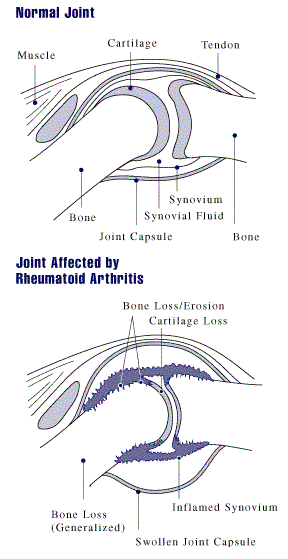
A normal joint (the place where two bones meet) is surrounded by a joint capsule that protects and supports it (see illustration below). Cartilage covers and cushions the ends of the two bones. The joint capsule is lined with a type of tissue called synovium, which produces synovial fluid. This clear fluid lubricates and nourishes the cartilage and bones inside the joint capsule.
In rheumatoid arthritis, the immune system, for unknown reasons, attacks a person’s own cells inside the joint capsule. White blood cells that are part of the normal immune system travel to the synovium and cause a reaction. This reaction, or inflammation, is called synovitis, and it results in the warmth, redness, swelling, and pain that are typical symptoms of rheumatoid arthritis. During the inflammation process, the cells of the synovium grow and divide abnormally, making the normally thin synovium thick and resulting in a joint that is swollen and puffy to the touch (see illustration).
As rheumatoid arthritis progresses, these abnormal synovial cells begin to invade and destroy the cartilage and bone within the joint. The surrounding muscles, ligaments, and tendons that support and stabilize the joint become weak and unable to work normally. All of these effects lead to the pain and deformities often seen in rheumatoid arthritis. Doctors studying rheumatoid arthritis now believe that damage to bones begins during the first year or two that a person has the disease. This is one reason early diagnosis and treatment are so important in the management of rheumatoid arthritis.
Some people also experience the effects of rheumatoid arthritis in places other than the joints. About one-quarter develop rheumatoid nodules. These are bumps under the skin that often form close to the joints. Many people with rheumatoid arthritis develop anemia, or a decrease in the normal number of red blood cells. Other effects, which occur less often, include neck pain and dry eyes and mouth. Very rarely, people may have inflammation of the blood vessels, the lining of the lungs, or the sac enclosing the heart.
Be sure to visit the Glucosamine Product Guide for a review of commercially available glucosamine products broken down by 9 different categories such as price per month, quality and type. Learn what the best products out there are and what criteria was used to ranked each.